Few things start a day worse than a cold shower you didn’t ask for. When the hot water disappears, it’s easy to assume the worst and reach for the phone. But a surprising number of hot water problems come down to simple causes you can check in a few minutes, no tools or plumbing experience required.
This guide walks you through those checks in order, from the quickest fixes to the signs that mean it’s time to call a professional. Work through them step by step. You may solve the problem yourself, and even if you don’t, you’ll be able to tell your plumber exactly what’s going on, which makes the visit faster and cheaper.
One safety note before you start: if you ever smell gas, see water pooling around the heater, or feel unsure at any point, stop and call a professional. No fix is worth your safety.
Start With the Quick Checks
Before touching the water heater, rule out the simplest explanations:
- Is it actually the water heater? If only one faucet runs cold, the problem may be that fixture, not the heater. Test the hot water at a few taps around the house.
- Did you just use a lot of hot water? Back-to-back showers, laundry, and dishes can empty a tank faster than it refills. If the hot water returns after an hour, the tank simply needed time to recover.
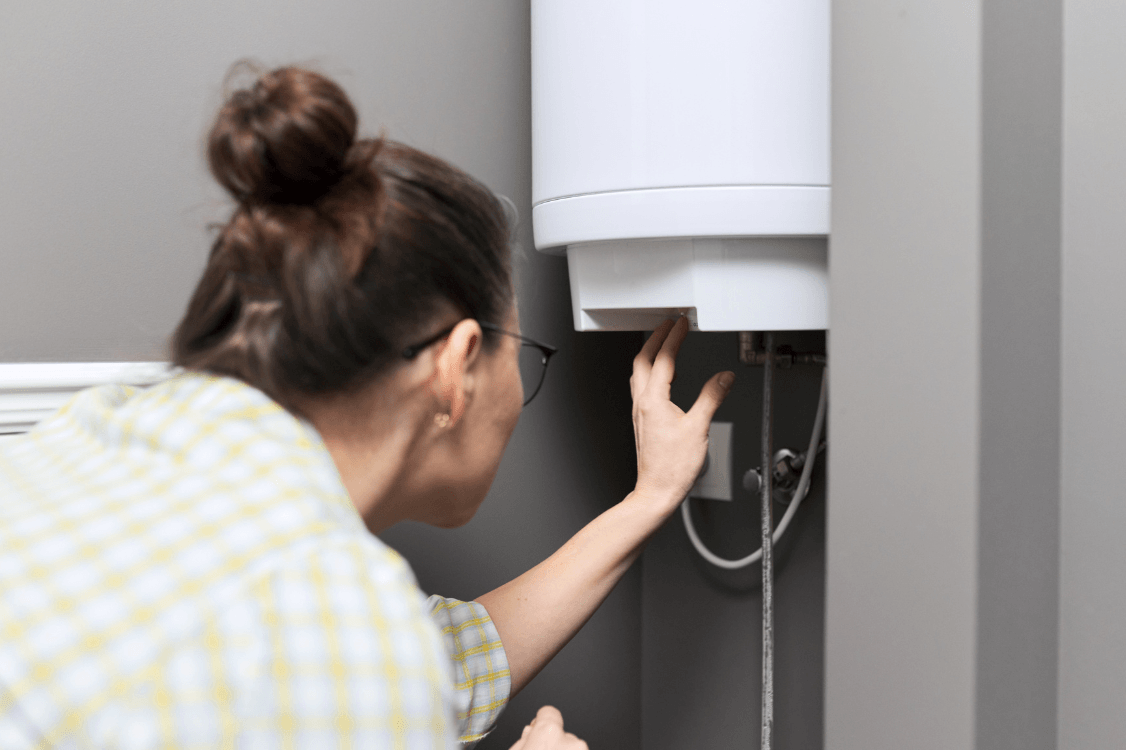
- Has the temperature dial been bumped? Someone may have turned it down. Check that the thermostat on the unit is set in the warm range, around 120 degrees.
- Is anything tripped or out? A flipped breaker or an extinguished pilot light is one of the most common, and easiest to fix, causes of no hot water.
If none of those solve it, the next step depends on whether your heater runs on gas or electricity.
If You Have a Gas Water Heater
Gas units heat water with a burner lit by a pilot light or an electronic igniter. When that flame goes out, so does your hot water.
Look at the control box near the bottom of the tank. Many have a small window where you can see whether the pilot is lit. If it’s out, your unit will have relighting instructions printed on a label, and most modern heaters use a simple igniter button rather than a match. Follow those steps exactly. If the pilot won’t stay lit after a couple of tries, stop. That often points to a faulty thermocouple or gas valve, which is a job for a professional.
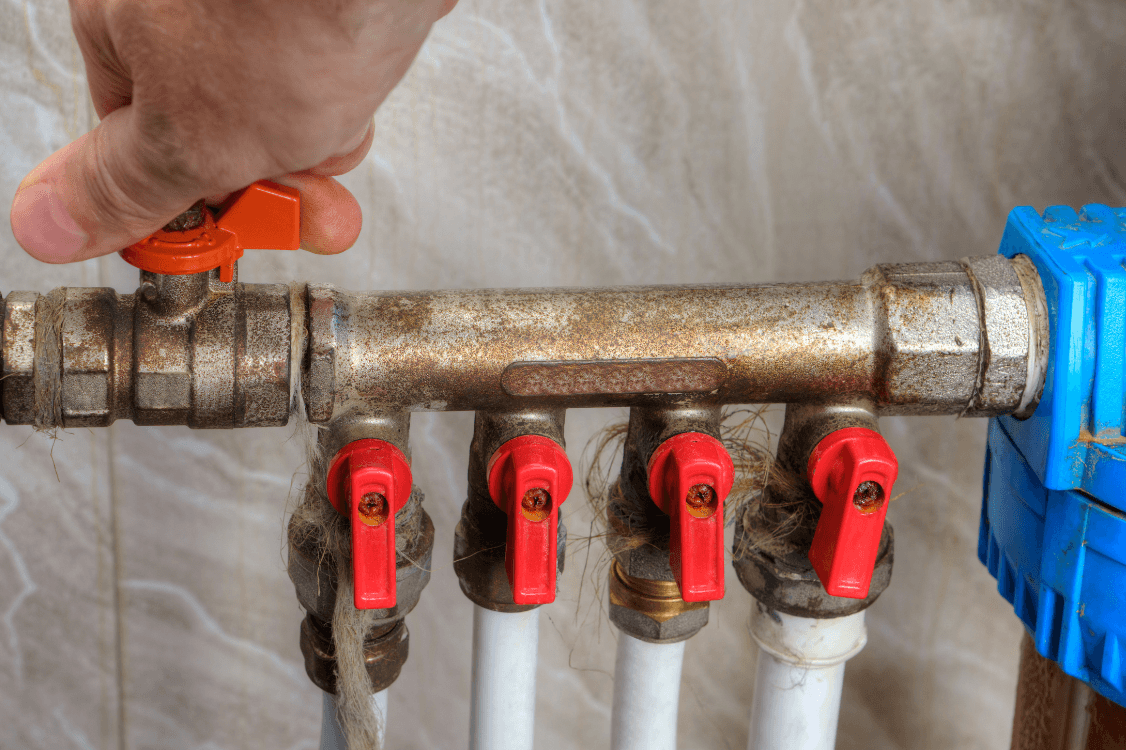
Also check that the gas supply valve to the heater is open and that other gas appliances in your home are working. If nothing gas-powered is getting fuel, the issue is with your gas supply, not the heater.
If you smell gas at any point, do not try to relight anything. Leave the home and call your gas company or a plumber from outside.
If You Have an Electric Water Heater
Electric units rely on heating elements powered through your breaker panel, so start there.
Check your electrical panel for a tripped breaker labeled for the water heater and reset it if needed. If it trips again right away, don’t keep resetting it. That signals an electrical fault that needs a professional.
Next, many electric heaters have a red reset button on the upper thermostat, behind an access panel on the side of the tank. If it has popped out, pressing it back in may restore power. If that reset trips repeatedly, a heating element or thermostat has likely failed and needs replacement.
Other Common Causes Worth Knowing
If the basics check out and you still have no hot water, or hot water that runs out fast, a few deeper issues may be at play:
- Sediment buildup. Over the years, minerals settle at the bottom of the tank and insulate the water from the burner or element, leaving you with less hot water and higher energy bills. A professional flush can help.
- A failing heating element or thermostat. In electric units especially, a burned-out element is a frequent cause of lukewarm or short-lived hot water.
- An aging unit. Most tank heaters last 8 to 12 years. If yours is past that and struggling, it may simply be wearing out. Our guide to the signs a water heater is about to fail covers what to watch for.
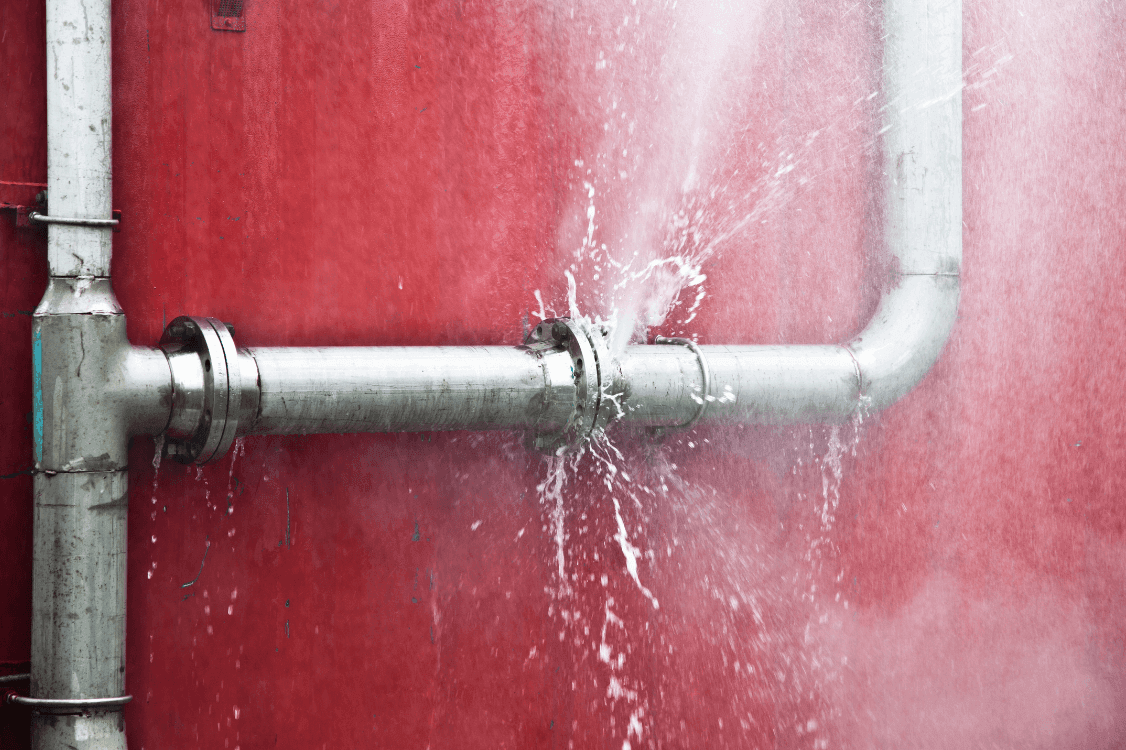
- A leak. Any pooling water around the base of the tank points to a more serious problem and should be looked at right away.
When to Stop and Call a Plumber
Some problems are safe to troubleshoot yourself. Others aren’t, and pushing past them can be dangerous or make the repair more expensive. Call a licensed plumber if:
- You smell gas, or the pilot won’t stay lit.
- A breaker or reset button keeps tripping.
- You see water leaking or pooling around the tank.
- The water is rusty, smells bad, or never gets hot no matter what you try.
- Your heater is more than 10 years old and underperforming.
There’s no shame in calling a pro. A quick diagnosis from someone who does this every day often saves money compared to guessing.
Still No Hot Water? Call Iron Mountain Plumbing
If you’ve worked through these checks and the hot water still isn’t back, it’s time to bring in a professional, and that’s where we come in. Iron Mountain Plumbing is a family-owned, licensed and insured team serving Anaheim and the surrounding Orange County communities. We repair and replace every type of water heater, gas, electric, and tankless, and we’ll give you an honest assessment of whether a repair or a replacement makes more sense.
We offer expert water heater service and 24/7 emergency support, so you’re never stuck with cold showers for long.
Call Iron Mountain Plumbing at 714-487-1115 or request service online. Expert service, honest advice, and work you can count on.