When a pipe bursts or a fixture starts flooding, the difference between a minor cleanup and thousands of dollars in damage often comes down to a single skill: knowing how to shut off your water fast. The homeowners who handle emergencies well aren’t calmer by nature. They simply know where their shutoff valves are and how to use them before disaster strikes.
Most people have never located their main shutoff, let alone tested it. So when water is pouring across the floor, they lose precious minutes searching, and every one of those minutes means more damage. This guide fixes that. By the time you finish reading, you’ll know exactly where to go and what to do the moment a plumbing emergency hits your Anaheim home.
The best time to read this is before you need it. Take five minutes now to find your valves, and you’ll be ready when it counts.
Why Every Anaheim Homeowner Should Know This
Plumbing emergencies don’t wait for a convenient time. A supply line under the sink can fail, a water heater can rupture, or an aging pipe can burst, often with no warning at all. In Anaheim’s older homes especially, decades-old plumbing raises the odds, and a single burst line can release dozens of gallons a minute.
Shutting off the water is the one action that stops the damage at its source. Everything else, cleanup, repairs, and insurance, comes afterward. The faster the water stops, the less there is to fix.
Step 1: Find Your Main Water Shutoff Valve
Your main shutoff controls all the water entering your home, and it’s the valve to reach for in a serious emergency. In Anaheim homes, it’s usually in one of these spots:
- Along an exterior wall, often on the side of the house facing the street, near where the water line enters.
- In the garage, near the water heater or where the main line comes through the wall.
- Near the front of the property, sometimes in a small in-ground box close to the street.
- At the water meter, typically in a covered box near the curb or sidewalk (more on that below).
Go find yours now. Make sure you can reach it easily and that nothing is stacked in front of it. If the valve looks corroded or won’t budge, have a plumber service or replace it. A stuck shutoff is useless in an emergency.
Step 2: Shut the Valve Off the Right Way
There are two common types of main shutoff valves, and they close differently:
- Gate valve (round handle). Turn the wheel clockwise, to the right, until it stops. It may take several full turns. Turn it firmly, but don’t force a stuck valve so hard that it snaps.
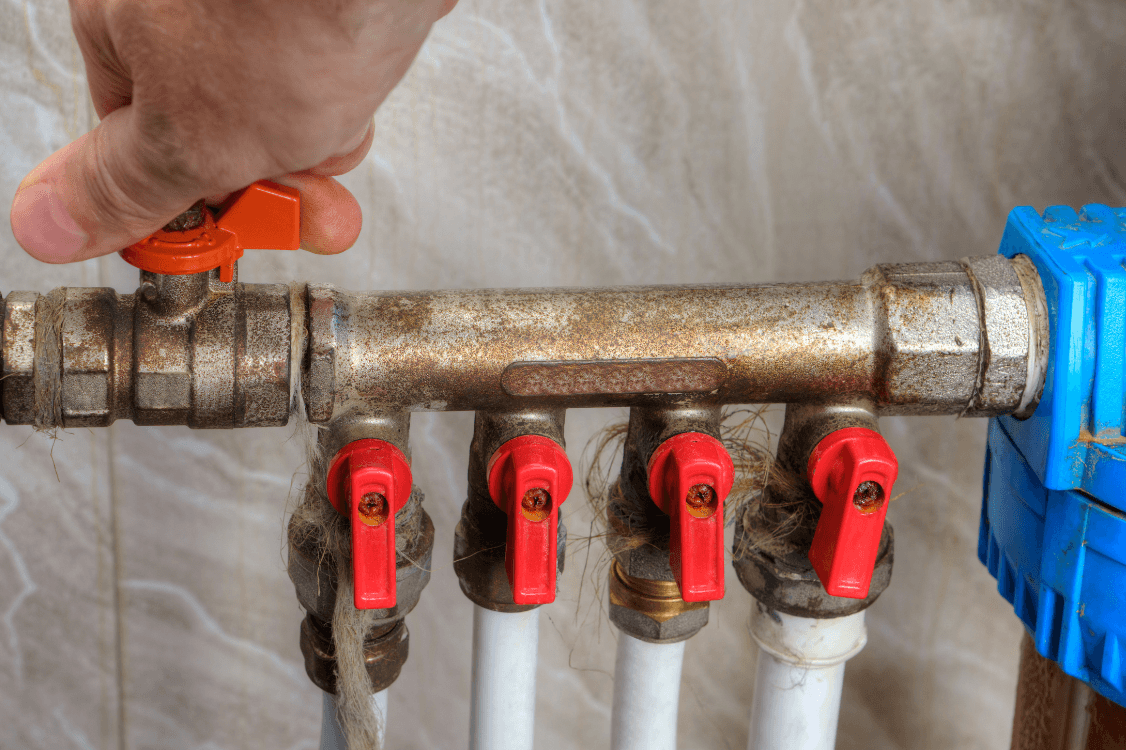
- Ball valve (lever handle). Turn the lever a quarter turn so it sits crosswise to the pipe. When the handle lines up with the pipe, the water is on; when it sits across the pipe, it’s off.
Once the main is off, open a few faucets to drain the water still in the lines and relieve pressure. This also confirms the shutoff worked, the flow should slow to a trickle and stop.
Shutting Off Water at a Single Fixture
Not every problem calls for shutting down the whole house. If the trouble is at one fixture, a leaking toilet or a burst sink line, you can stop the water there and keep the rest of the home running.
- Toilet: Look for the small oval valve on the wall behind the toilet, down near the floor. Turn it clockwise to stop the flow.
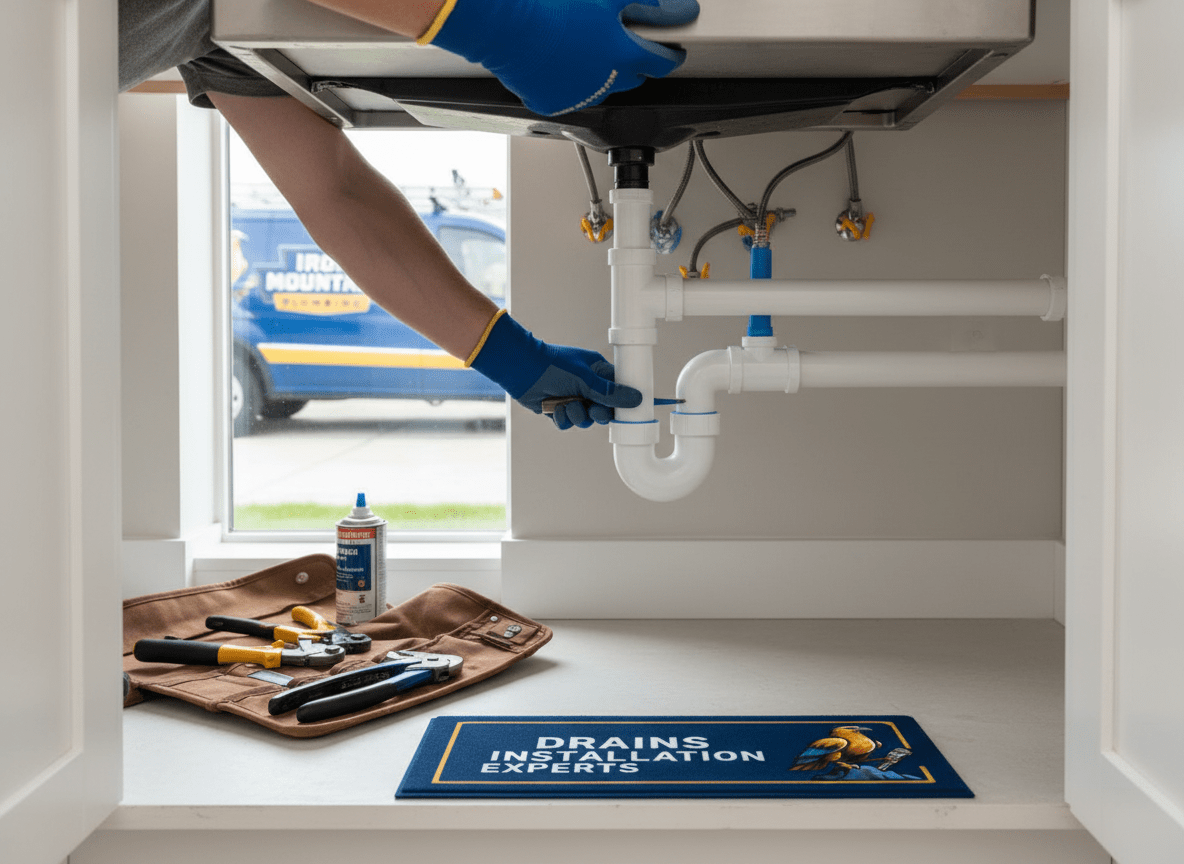
- Sink: Open the cabinet underneath and find the two valves on the supply lines, hot and cold. Turn both clockwise.
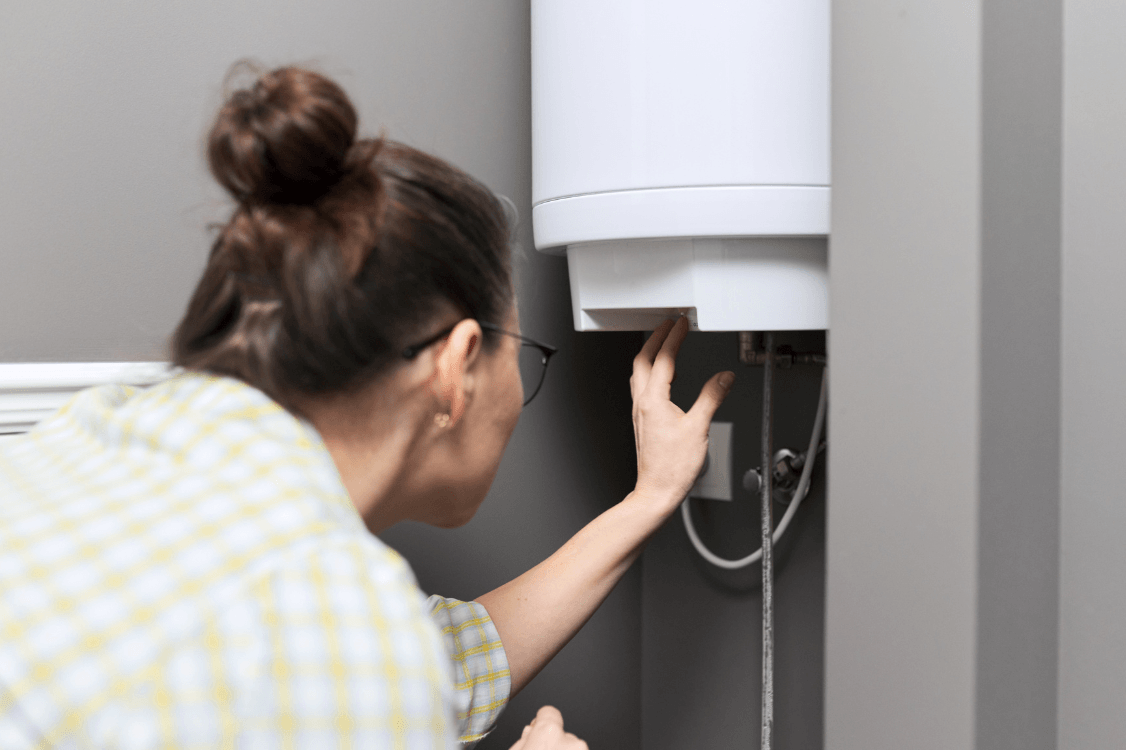
- Water heater: There’s a shutoff on the cold-water inlet pipe at the top of the tank. Closing it stops water to the heater specifically.
These fixture valves are worth checking now too. They can stiffen with age, and you don’t want to discover a frozen valve in the middle of an emergency.
Shutting Off at the Street Meter (Last Resort)
If you can’t find or operate your home’s main shutoff, you can stop the water at the meter near the street. Lift the lid of the meter box, usually near the curb, and look for the valve on the house side of the meter. Most municipal valves need a meter key or an adjustable wrench; turn it a quarter turn until it sits crosswise to the pipe.
A couple of cautions: the meter box can house spiders or debris, so look before you reach in, and never damage the meter itself. If the valve is stiff or you’re unsure, it’s safer to call your water provider or a plumber than to force it.
After the Water’s Off: What to Do Next
Shutting off the water buys you time, but the problem still needs fixing. Once the flow has stopped:
- Move belongings out of the wet area and start removing standing water to limit damage.
- Take photos and video for your insurance claim before you clean everything up.
- Call a licensed plumber to diagnose and repair the source. The sooner a pro arrives, the sooner you can safely turn the water back on.
Common Anaheim Plumbing Emergencies
Knowing your shutoff helps most in the situations that cause the worst damage, including:
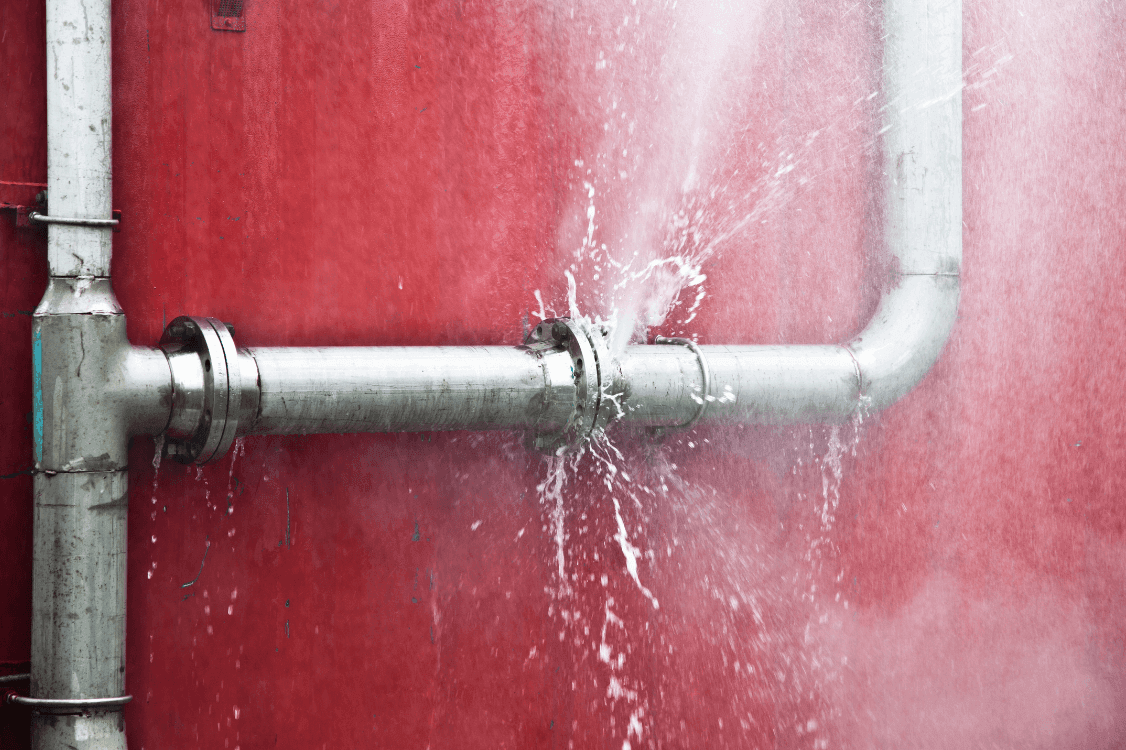
- Burst or leaking pipes, especially in older homes with aging plumbing.
- Water heater failures that flood a garage or utility space.
- Overflowing or constantly running toilets.
- Failed supply lines under sinks and behind appliances.
If you’re dealing with a hidden or hard-to-locate leak, professional water leak detection can pinpoint the source without tearing your home apart.
Anaheim Plumbing Emergency? Call Iron Mountain Plumbing
Knowing how to shut off your water is the first step. Getting it repaired right is the second, and that’s where we come in. Iron Mountain Plumbing is a family-owned, licensed and insured team based right here in Anaheim, with 24/7 emergency service across Orange County. When something goes wrong, we respond fast, fix the source, and help you get your home back to normal.
Learn more about our Anaheim plumbing services, or save our number now so it’s ready the moment you need it.
Call Iron Mountain Plumbing 24/7 at 714-487-1115, or request service online. Expert service, honest advice, and work you can count on.